Clearing Damage Before Restoration Can Begin
Mitigation Services in Portage for properties affected by water damage, fire, or structural failure
Damaged materials left in place after flooding, fire, or structural incidents absorb moisture, harbor mold growth, and interfere with accurate restoration estimates. L & T's Hauling Services LLC provides mitigation support across Portage and surrounding areas by removing compromised drywall, insulation, flooring, and debris to expose the underlying structure for assessment and repair. Property managers dealing with tenant-related damage or homeowners facing insurance timelines rely on this service to prevent secondary damage while restoration contractors prepare their scope of work.
The service focuses on clearing affected areas quickly to stop ongoing deterioration—removing soaked carpeting before subfloors warp, pulling water-damaged baseboards before wall cavities develop mold, and hauling out charred materials that continue releasing odor and particulates. Speed matters because every day materials remain in contact with moisture or soot increases restoration complexity and cost.
Schedule a property assessment to identify which materials require immediate removal and what timeline supports your restoration plan.
How Mitigation Clears the Path for Repairs
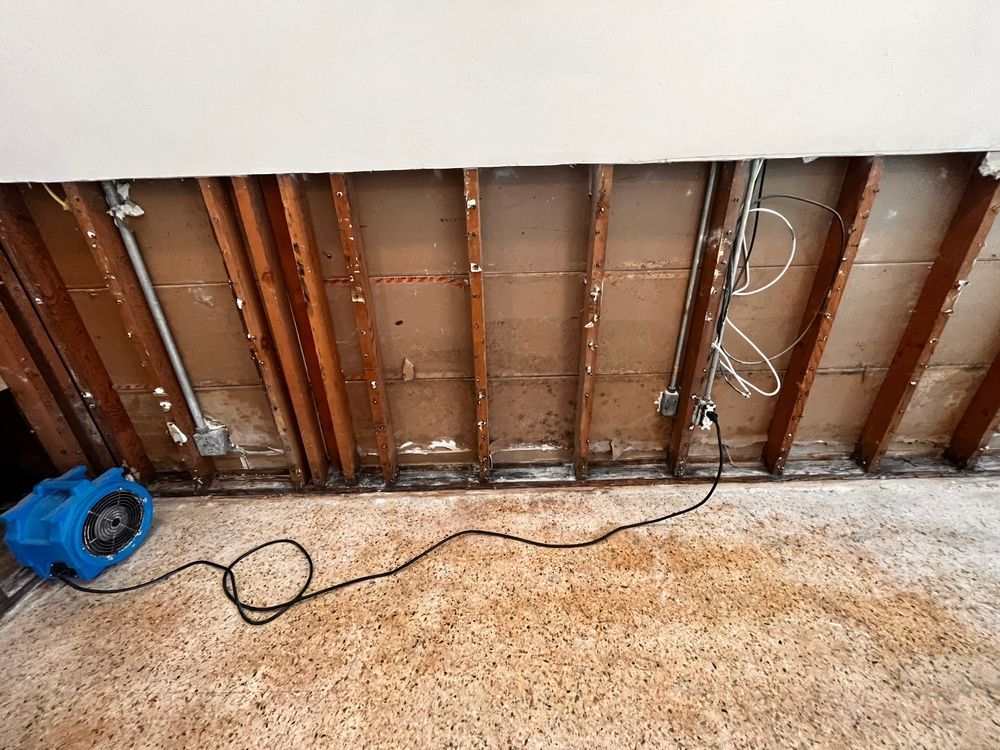
Mitigation work begins with identifying which materials are salvageable and which compromise the property if left in place. Crews remove everything from the damaged zone—drywall cut above water lines, insulation that absorbed smoke, cabinetry separated from warped floors—and haul it offsite the same day. This creates clean access for contractors to inspect framing, test for hidden moisture, and begin structural drying or rebuilding without working around debris piles.
Once the space is cleared, you'll notice bare studs instead of sagging drywall, exposed subfloors instead of buckled laminate, and open sight lines that allow proper airflow for drying equipment. Restoration contractors can move directly into demolition, framing repair, or moisture remediation without delays caused by debris removal coordination. Insurance adjusters also complete inspections faster when the extent of structural damage is fully visible.
The service includes all labor for material removal, loading into trucks, transportation, and disposal at appropriate facilities. It does not include structural repairs, mold remediation, or contents pack-out services, which restoration contractors handle separately. Timing depends on the size of the affected area and whether hazardous materials require special handling protocols.
What to Know About Mitigation Support
Properties across Portage experience varied damage scenarios, from basement flooding during heavy spring rains to kitchen fires in older homes with outdated wiring. These questions address common concerns when coordinating mitigation and restoration work.
What gets removed during mitigation?
Any material that absorbed water, sustained fire damage, or poses a contamination risk comes out—drywall, insulation, flooring, cabinetry, and fixtures that can't be salvaged. The goal is exposing structural components so restoration professionals can assess what remains and what requires rebuilding.
How quickly does mitigation need to happen after property damage?
Removal should begin within 24 to 48 hours to prevent mold colonization on wet materials and to stop soot from bonding permanently to surfaces. Delays allow damage to spread into unaffected areas and increase overall restoration costs significantly.
Does mitigation work differently for commercial properties versus homes?
Commercial spaces often involve larger square footage, multiple rooms, and coordination with business operations or tenant access schedules. Crews work in phases to minimize disruption while still clearing damaged areas before secondary issues develop.
What happens to materials once they're removed from the property?
Debris goes to designated disposal facilities based on material type—construction landfills for non-hazardous building materials, specialized facilities for items requiring separate handling. Proper disposal ensures compliance with local regulations and supports responsible waste management.
Can mitigation services coordinate with insurance timelines?
Yes, crews schedule removal after adjusters document the damage but before restoration contractors need site access. This sequencing allows insurance claims to proceed while preventing further deterioration that could complicate coverage determinations or increase claim amounts.
L & T's Hauling Services LLC works with restoration contractors, property managers, and insurance adjusters to clear damaged properties efficiently. Request a removal estimate to confirm timing and scope based on your specific damage scenario.
items we cannot accept
For safety and legal reasons, we are unable to haul the following items:
- Asbestos
- Burning Waste Or At A Temperature Likely To Cause A Fire
- Car or Truck Batteries
- Chemicals such as: Cleaners, Solvents, Batteries, Motor Oil, Pesticides
- Electronics
- Explosives, Ammunition, or Firearms
- Hazardous Material
- Liquids
- Lithium-Ion Batteries
- Medical Waste
- Paint
- Propane or other Compressed gas Tanks
- Radioactive Material
- Sealed Drums
- Tires